HDMI 2.1 vs. HDMI 2.0 — Do You Need an 8K HDMI Cable in 2025?
Facebook
Twitter
LinkedIn
Reddit
As we move deeper into 2025, HDMI cables are more important than ever for gamers, home theater enthusiasts, and PC users. With the rise of 8K TVs, high-refresh-rate gaming, and immersive media setups, many are asking: Do you really need an 8K HDMI cable?
In this guide, we’ll break down the differences between HDMI 2.0 and HDMI 2.1, explain when an 8K cable is necessary, and show why the CableCreation 8K HDMI Cable is a top choice for future-proof setups.
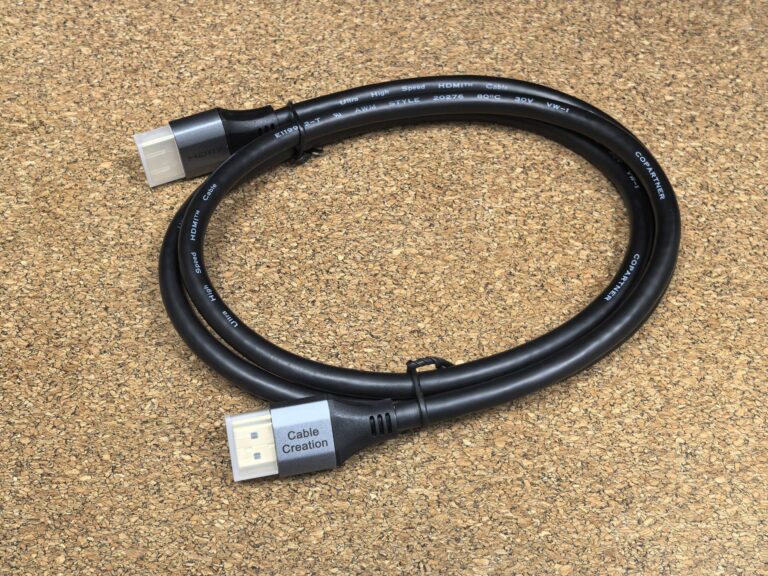
Table of Contents
HDMI 2.0 vs HDMI 2.1: Key Differences
HDMI 2.0
- Up to 18Gbps
- Supports up to 4K@60Hz
- Basic support for gaming
- Standard audio return channel (ARC)
- Works with HDMI 1.4 / older devices
HDMI 2.1
- Up to 48Gbps, enabling higher resolution, refresh rates, and more data for immersive media and gaming
- Supports 8K@60Hz, 4K@120Hz, 1080p, 3D, and 21:9 aspect ratio; ideal for high-frame-rate gaming and next-gen media
- Variable Refresh Rate (VRR) reduces screen tearing; Quick Frame Transport (QFT) improves response time; Quick Media Switching (QMS) eliminates blank screens when switching sources
- Enhanced Audio Return Channel (eARC); supports up to 32 audio channels with high sampling rates (up to 1536kHz)
- Fully backward compatible with HDMI 2.0 / 1.4; supports HDCP 2.2 & 2.3 for secure streaming
When Do You Need an 8K HDMI Cable?
Not everyone needs HDMI 2.1. Here’s when an 8K cable matters:
You have an 8K TV or plan to upgrade soon
You’re gaming at 4K@120Hz on PS5, Xbox Series X, or high-end PCs
You use eARC for high-quality audio systems
You want future-proofing for new devices and media standards
If your setup is 1080p or 4K@60Hz, a good HDMI 2.0 cable is usually enough.
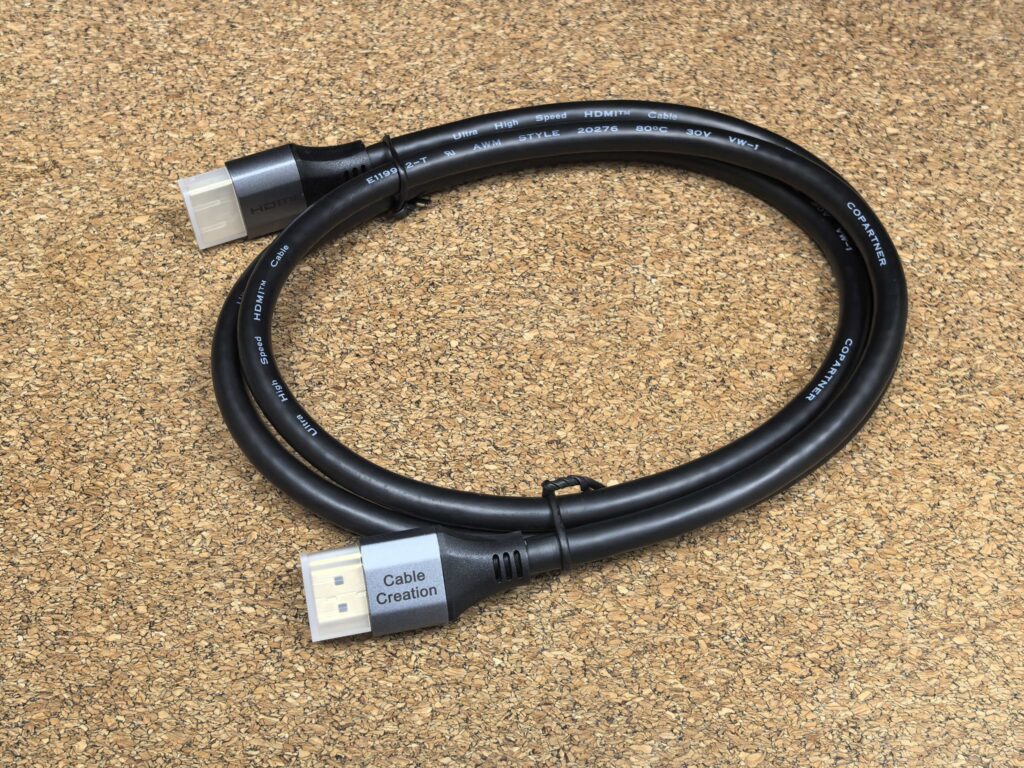
CableCreation 8K HDMI Cable Specification
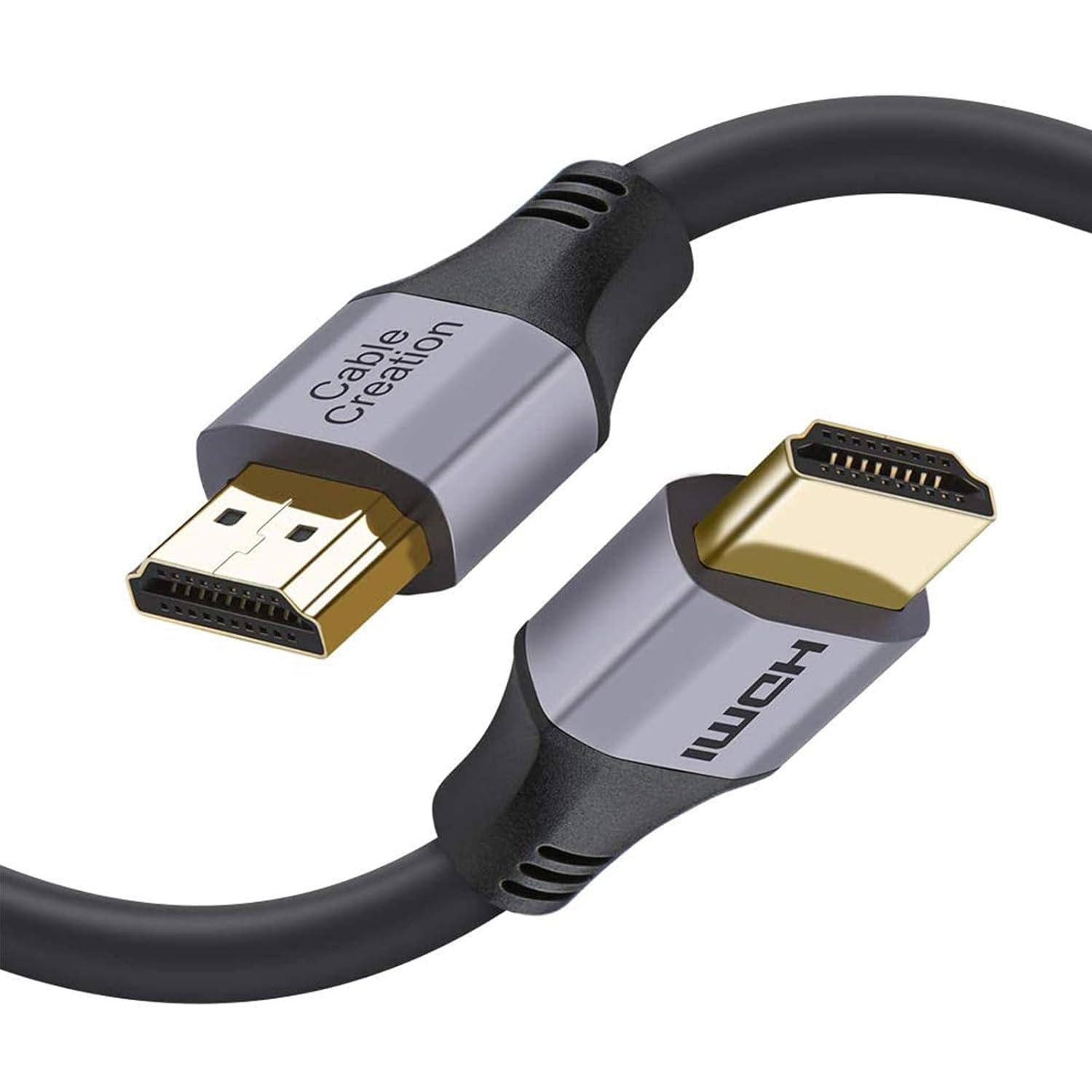
Supports 8K@60Hz, 4K@120Hz/60Hz, and 1080p
Bandwidth up to 48Gbps
Compatible with TVs, PCs, laptops, consoles, and projectors
24K Gold-Plated Connectors & Zinc Alloy Housing for durability
Triple shielding prevents EMI / RFI interference
Bend lifespan 10,000+ for long-lasting use
Plug-and-play, no drivers required (Steam Deck requires adapter for 8K)
Supports Dynamic HDR, VRR, QFT, QMS, eARC, 3D, 21:9 aspect ratio, and up to 32 audio channels
Compatibility
Works with:
MacBook Pro 2021
8K UHD TVs / QLED TVs
PS5 / PS4 / Xbox Series X / Xbox One
Laptops, PCs, DVD/Blu-ray players, projectors
Steam Deck (with 8K adapter for full resolution)
Performance & Durability
Provides stable, high-speed signal transfer
Ideal for lag-free gaming and high-fidelity media playback
Durable construction prevents damage over long-term use
Why We Recommend It
Perfect for future-proofing your setup
Short 3.3ft length reduces clutter and maintains signal integrity
Premium build ensures reliability for both gaming and media setups
Choosing the Right HDMI Cable for Your Setup
When selecting a cable, consider:
Cable length: Longer cables may require higher quality to prevent signal degradation
Device compatibility: Check your console, TV, or PC for HDMI 2.1 support
Use case: Gaming at 4K@120Hz, home theater, or streaming high-resolution content
Budget vs performance: Premium cables like CableCreation offer durability and extra features
FAQ: HDMI 2.1 & 8K Cables in 2025
Q: Do I need HDMI 2.1 for a 4K TV?
Only if you want 4K@120Hz, VRR, or eARC features.
Q: Can HDMI 2.0 handle 4K@120Hz?
No, HDMI 2.0 maxes out at 4K@60Hz.
Q: Are 8K HDMI cables future-proof?
Yes, they support all current and near-future HDMI 2.1 features.
Q: What if I use HDMI 2.1 cable on HDMI 2.0 device?
The cable will work, but speeds/features are limited to HDMI 2.0 specs.
Q: Does cable length affect performance?
Longer than 10ft may require certified high-speed HDMI 2.1 cables for stable signals.
Conclusion
HDMI 2.1 brings higher bandwidth, higher refresh rates, VRR, QMS, eARC, and future-proofing for 8K and high-performance setups. However, HDMI 2.0 still works fine for most 1080p and 4K setups.
For users who want the best performance, durability, and future-proofing, the CableCreation 8K HDMI Cable (3.3ft / 1m) is a top choice. Its 48Gbps bandwidth, gold-plated connectors, triple shielding, and premium build ensure high-quality, lag-free audio/video for years to come.